Blog
A Complete Guide to Hawaiian (Aloha) Shirts


History, Fit, Styling, and Where to Buy
This blog offers a well-rounded introduction to Hawaiian shirts—also known as Aloha shirts—covering their cultural origins, defining characteristics, modern styling tips, and the best places to buy them.
1. History and Cultural Significance
The Aloha shirt originated in Hawaii in the early 20th century, with strong influence from Japanese American immigrants who repurposed kimono fabrics into casual shirts. These early designs introduced the bold prints and relaxed silhouettes that define Hawaiian shirts today.
During the 1920s and 1930s, Aloha shirts became symbols of wealth, leisure, and travel, particularly during the Great Depression, when vacationing in Hawaii represented luxury and escape.
By the 1960s, Hawaiian shirts entered mainstream global fashion, largely due to pop culture icons—most notably Elvis Presley in Blue Hawaii—cementing their identity as the ultimate vacation shirt.
2. Why Hawaiian Shirts Feel Relevant Again
Comparison between the 1930s and 2020, noting that periods of limited travel often spark renewed interest in vacation-inspired clothing. Hawaiian shirts offer a sense of escapism, optimism, and relaxed living—even when people can’t physically travel.
This cyclical return highlights why Aloha shirts continue to resonate across generations.
3. What Makes a Good Hawaiian Shirt
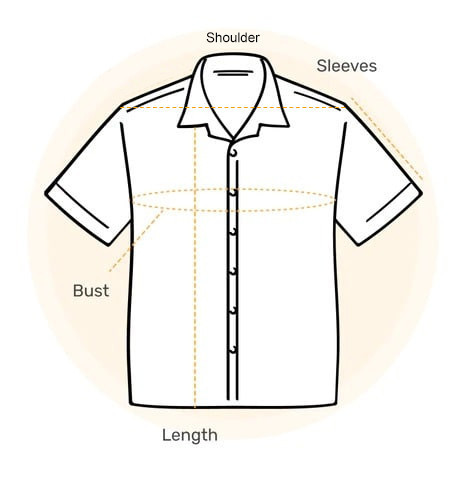
Fit & Measurements
- Should be wide across the chest with a boxy silhouette
- Typically shorter in length
- Designed to be worn untucked
- Prioritizes comfort and airflow over tailoring
Materials
- Traditionally made with breathable poly blends
- Linen is also popular for its airflow, though it wrinkles easily
- Lightweight fabrics are essential for warm-weather wear
4. Hawaiian Shirts vs. Camp Collar Shirts
While Hawaiian shirts often feature a camp collar, the two are not the same.
- Hawaiian (Aloha) shirts
- Rooted in Hawaiian culture
- Known for bold, Japanese-inspired floral or scenic prints
- Camp/Club collar shirts
- Origins in Mexico, the Caribbean, and Cuba
- Introduced to the U.S. by Cuban immigrants
- Often more subdued and not necessarily printed
In modern fashion—especially in mainland America—the styles frequently blend together, making the distinction more cultural than visual.
5. Styling Tips
The key to wearing a Hawaiian shirt well is to embrace its relaxed, vacation-first mindset.
- Treat it like a t-shirt, not formalwear
- Pair loud prints with muted bottoms (neutral shorts or pants)
- Avoid over-styling—effortless and casual works best
- Confidence and comfort matter more than rules
6. Where to Buy Hawaiian Shirts
The presenter recommends prioritizing authentic or vintage options:
- Thrift stores & vintage shops – Best for quality and originality
- eBay – Ideal for sourcing classic and vintage Aloha shirts
- Grailed – Curated vintage and higher-end selections
- Amazon (house brands) – Budget-friendly modern options
- Tommy Bahama – Premium, high-quality, but expensive
Final Takeaway
Hawaiian shirts are more than bold prints—they represent history, cultural exchange, leisure, and escapism. When chosen with the right fit, fabric, and attitude, an Aloha shirt remains one of the most timeless and expressive pieces in casual menswear.