Blog
The Aloha Shirt: Spirit of the Islands

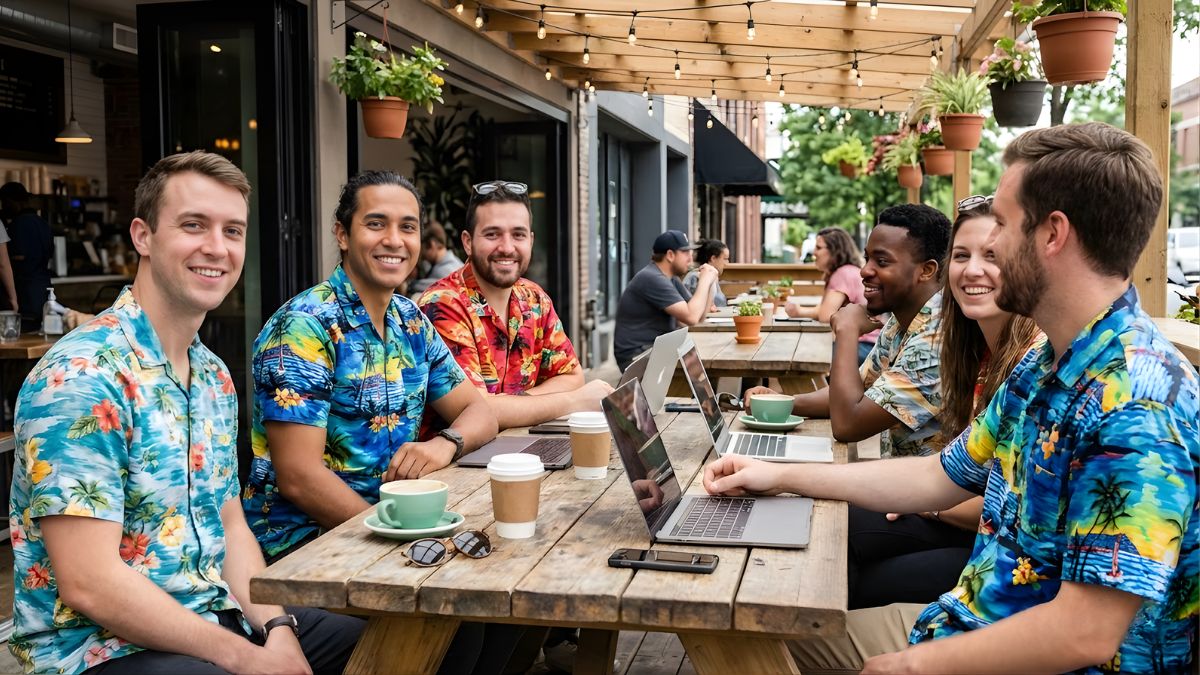
In “The Aloha Shirt: Spirit of the Islands,” author and historian Dale Hope explores the rich history, cultural meaning, and evolution of the Aloha shirt—Hawaii’s most iconic garment. More than just a patterned shirt, the Aloha shirt represents identity, place, and the enduring spirit of the islands.
A Shirt That Represents a Place
The Aloha shirt is often described as Hawaii’s most enduring greeter and cultural ambassador. It captures the spirit of the land and reflects a deep emotional connection to the islands. Wearing an Aloha shirt is not just a fashion choice—it’s a statement of love, respect, and belonging to Hawaii.
Early Origins: Blending In with Island Life
The idea of the Aloha shirt began when visitors to Hawaii wanted to dress like locals and embrace the islands’ relaxed lifestyle.
The earliest Aloha shirts were crafted from Japanese kimono fabrics, featuring traditional Japanese-inspired patterns. These designs reflected the strong influence of Japanese immigrants and their textile traditions in early 20th-century Hawaii.
The Evolution of Hawaiian Prints
Over time, Japanese motifs gave way to distinctly Hawaiian imagery. Prints began to feature Diamond Head, native flowers, ocean scenes, palm trees, and coconut groves—visual symbols of island life.
Interestingly, many of these fabrics were still produced in Japan. Textile companies there relied on magazines and photographs of Hawaii to interpret island themes, transforming them into bold, colorful prints that would later define the Aloha shirt.
Defining Features of an Authentic Aloha Shirt
Traditional Aloha shirts are recognized by several key details:
- Matched pockets, where the pattern aligns seamlessly with the shirt
- A “Made in Hawaii” label, often from well-known local makers
- Coconut shell buttons, reinforcing the natural, island-inspired aesthetic
These elements distinguished authentic Aloha shirts from mass-produced imitations.
From Casual Wear to Business Acceptance
Initially, Aloha shirts were considered far too casual for business wear in Honolulu. That perception slowly changed through initiatives like “Aloha Summer” and “Aloha Friday,” which encouraged workers to wear Aloha shirts in professional settings.
These movements paved the way for what later became Casual Friday culture worldwide, cementing the Aloha shirt’s role beyond leisurewear.
Modern Adaptations and Reverse Prints
In the 1960s, designer Wren McCullough introduced smaller, more subdued prints—often using the reverse side of the fabric. These reverse-print Aloha shirts became especially popular among locals, offering a more refined and dignified look.
Today, reverse-print pullover shirts remain a favorite in Hawaii, symbolizing quiet pride and appreciation for island heritage.
Growth of the Aloha Shirt Industry
What began as tailor-made shirts in small shops eventually grew into a thriving industry. By the 1960s and 1970s, Hawaii was home to over 150 Aloha shirt manufacturers, producing garments that would travel the world.
Contemporary Aloha Shirt Designers
The tradition continues through modern designers who honor Hawaiian culture through thoughtful design:
- Sig Zane, known for deeply spiritual, hand-printed fabrics
- Kalaheo, drawing inspiration from native Hawaiian plants
- Roberta Oaks, whose collections reflect mountains, beaches, and island landscapes
Each designer brings a personal connection to the land into their work.
Wearing the Aloha Spirit
To wear an Aloha shirt is to put on a piece of “aloha” or “mana”—a spiritual energy tied to Hawaii. These shirts often spark conversations, smiles, and a sense of ease, helping people relax, connect, and share aloha wherever they go.